Skin & Pigment
Melasma Treatment in Berlin: Causes, Creams and Laser Therapy
Why melasma can recur and how to responsibly use sun protection, medical creams, peels and lasers.

Melasma is chronic and often at risk of relapse
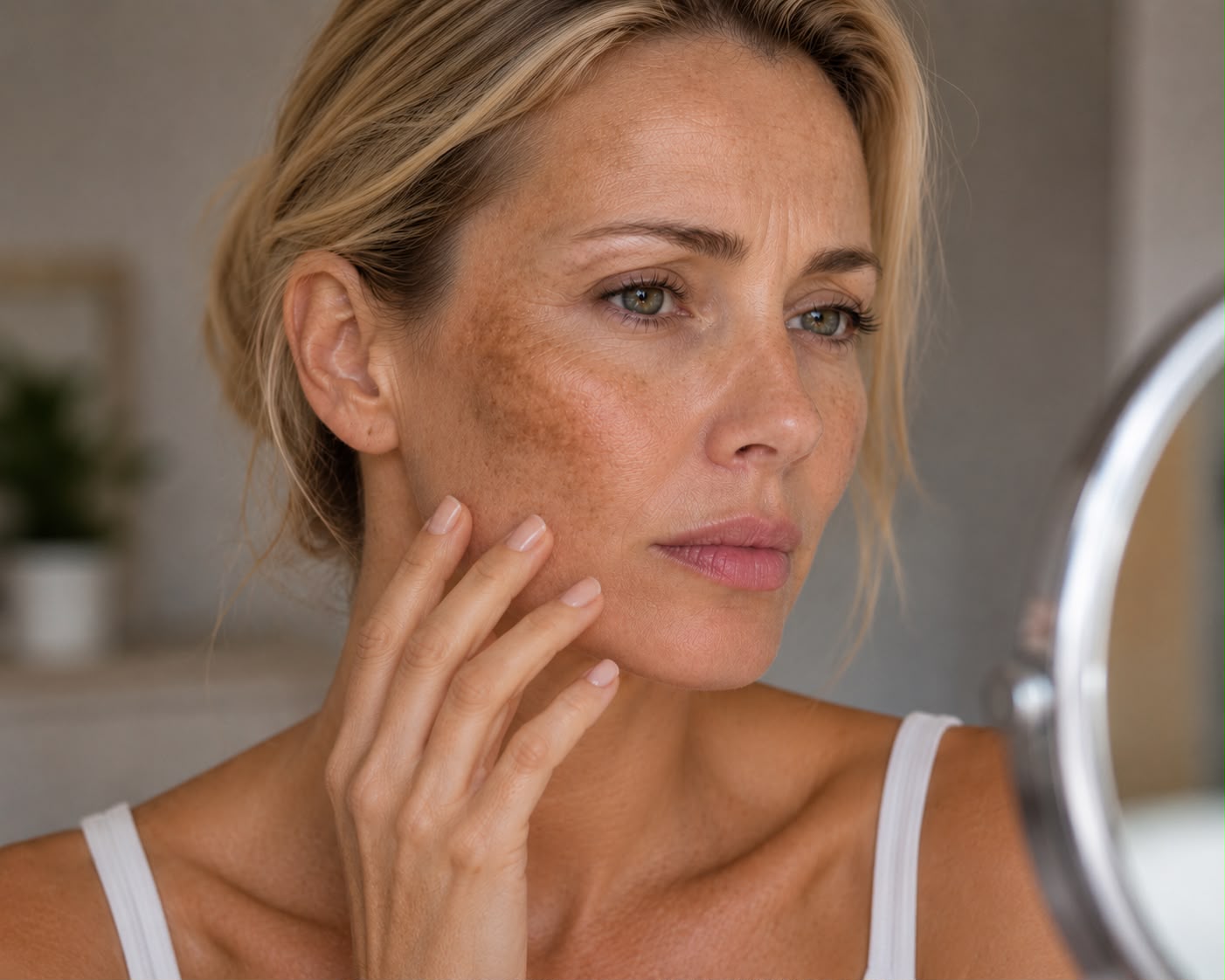
Melasma is an acquired, chronic, recurring hyperpigmentation. Symmetrical brown to gray-brown spots on the cheeks, forehead, upper lip or chin are typical. The skin change is usually benign, but can be visibly stressful. The realistic therapy goal is therefore control and whitening - not the guarantee of permanent healing.
Melasma is not just superficially deposited pigment. Studies describe an interaction between overactive pigment cells, light damage, inflammatory signals and changes in deeper skin structures. This explains why aggressive individual treatments often disappoint and a long-term, combined plan may make more sense.
Causes, triggers and reliable diagnosis
The trigger is rarely a single cause. Genetic predisposition, pregnancy, or hormonal contraception may be involved; For some of those affected, the hormonal factor remains unclear. Ultraviolet radiation and visible light activate pigment formation and promote relapses. Irritating skin care, inflammation and unprotected treatments can also increase spots.
The diagnosis is usually made based on distribution, course and skin findings. Dermoscopy and, if necessary, Wood's light can be supplementary; a biopsy is rarely necessary. It is important to differentiate it from post-inflammatory hyperpigmentation, sunspots, pigmented contact dermatitis, lichen planus pigmentosus and exogenous ochronosis. Newly formed, one-sided or changing pigment moles should be examined dermatologically.
Sun protection as the basis of every therapy
Consistent sun protection is the basis of every melasma therapy - even on cloudy days and in the maintenance phase. It makes sense to use broad-spectrum sun protection with high UVA protection and SPF 50+, shade, a hat and re-application if you spend a long time outdoors.
Because visible light can drive melasma, a tinted product containing iron oxides that matches your skin tone is often recommended. Gentle, perfume-free care also helps to avoid inflammatory irritations. Sunscreen alone won't immediately remove existing spots, but it can limit new darkening and relapses.
Creams and medicinal active ingredients
Topical active ingredients are selected according to skin type, expression, pregnancy status and tolerability. Azelaic acid, cysteamine, kojic acid, niacinamide, or topical tranexamic acid may be considered depending on findings; Evidence and tolerability vary. Results are assessed over weeks to months rather than days. Severe burning is not proof of effectiveness: irritation can promote additional pigmentation.
Hydroquinone inhibits pigment formation, but is not a freely usable cosmetic skin lightener in the EU. Any possible medical use should be under medical supervision. The risks include irritation and, in the case of problematic long-term use, exogenous ochronosis with a blue-black discoloration.
The triple combination of hydroquinone, tretinoin and a corticosteroid is internationally considered a well-researched short-term option. It is not a permanent care cream: redness, burning, flaking, dryness, acne and steroid-related skin changes are possible. Combinations containing retinoids are not used independently if you are pregnant or want to have children and must be assessed by a doctor.
Peels, lasers and the risk of PIH
Superficial chemical peels, such as glycolic or salicylic acid, can complement select treatment plans. However, peels that are too strong or too deep cause inflammation, scarring, and post-inflammatory hyper- or hypopigmentation. Careful concentrations, preparation and aftercare are crucial, especially for darker skin types.
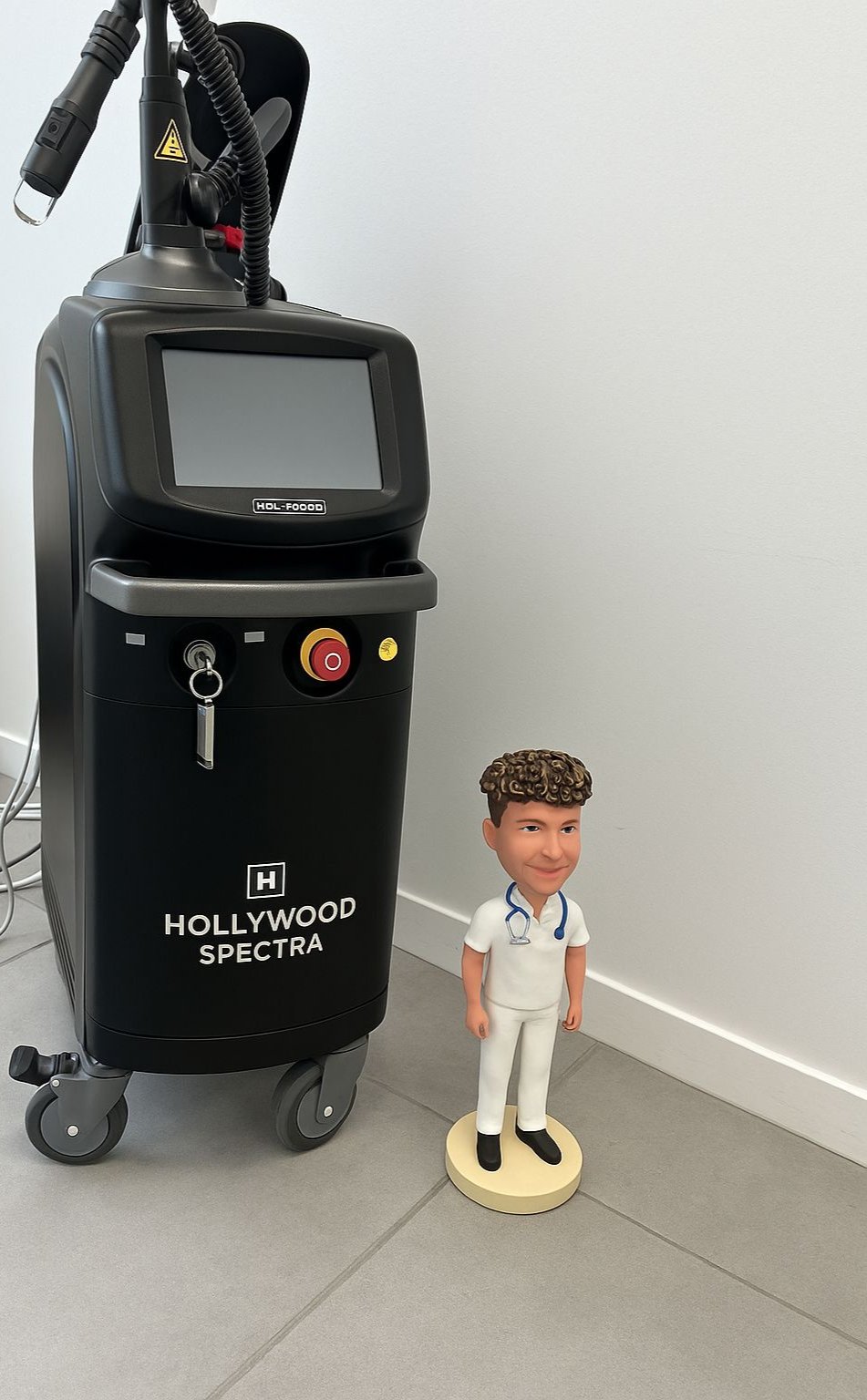
Laser, IPL and other light-based procedures are not automatically the best or fastest solution. International recommendations suggest lasers are more likely to be used in treatment-resistant cases and after stable basic therapy. Excessive energy or inappropriate devices can worsen melasma, trigger post-inflammatory hyperpigmentation, or lead to rebound; Even after initial improvement, relapses are possible.
A step-by-step plan instead of a quick solution
Anyone who would like to have melasma treated in Berlin benefits from a step-by-step plan: confirm the diagnosis, reduce triggers, establish light protection, select a compatible cream and only supplement the procedure in a targeted manner. Taking regular photos under the same lighting conditions helps to objectively assess changes.
After an active treatment phase, a maintenance plan is usually required. Which combination is suitable depends on skin type, previous illnesses, medications, pregnancy status and previous reactions. Reliable advice therefore also explains when a break or dermatological referral makes more sense.
Frequently asked questions
Can melasma go away permanently?
Permanent removal cannot be guaranteed. Melasma may lighten significantly but continues to respond to light, hormones and inflammation. Photoprotection and maintenance therapy can reduce relapses.
Which sun protection is useful for melasma?
A broad-spectrum product with high UVA protection and SPF 50+ is recommended. A tinted sunscreen with iron oxides also protects against visible light.
Is laser the most effective treatment for melasma?
Not fundamentally. Laser can help with selected treatment-resistant cases, but carries risks such as additional pigmentation, lightening disorders, rebound and relapses.
Sources and further reading
- International Delphi Consensus on Melasma Management (2025)
- Current overview of melasma therapies (2024)
- American Academy of Dermatology: Melasma and Self-Protection
- American Academy of Dermatology: Diagnosis and Treatment
- Official information about the hydroquinone-tretinoin-corticosteroid combination
- Systematic review of chemical peels for melasma
Appointment at OM Beauty Berlin
Talk to our medical team
Select your treatment, preferred date and location, then send your request via WhatsApp. Doctolib is available as an alternative for Berlin-Mitte.